November 10, 2026
High Temperature Glass: A Procurement Guide to Heat-Resistant Glassware
A buyer's guide to sourcing high temperature glass, covering borosilicate glass properties, thermal shock, specification checks, supplier questions, and sample validation.
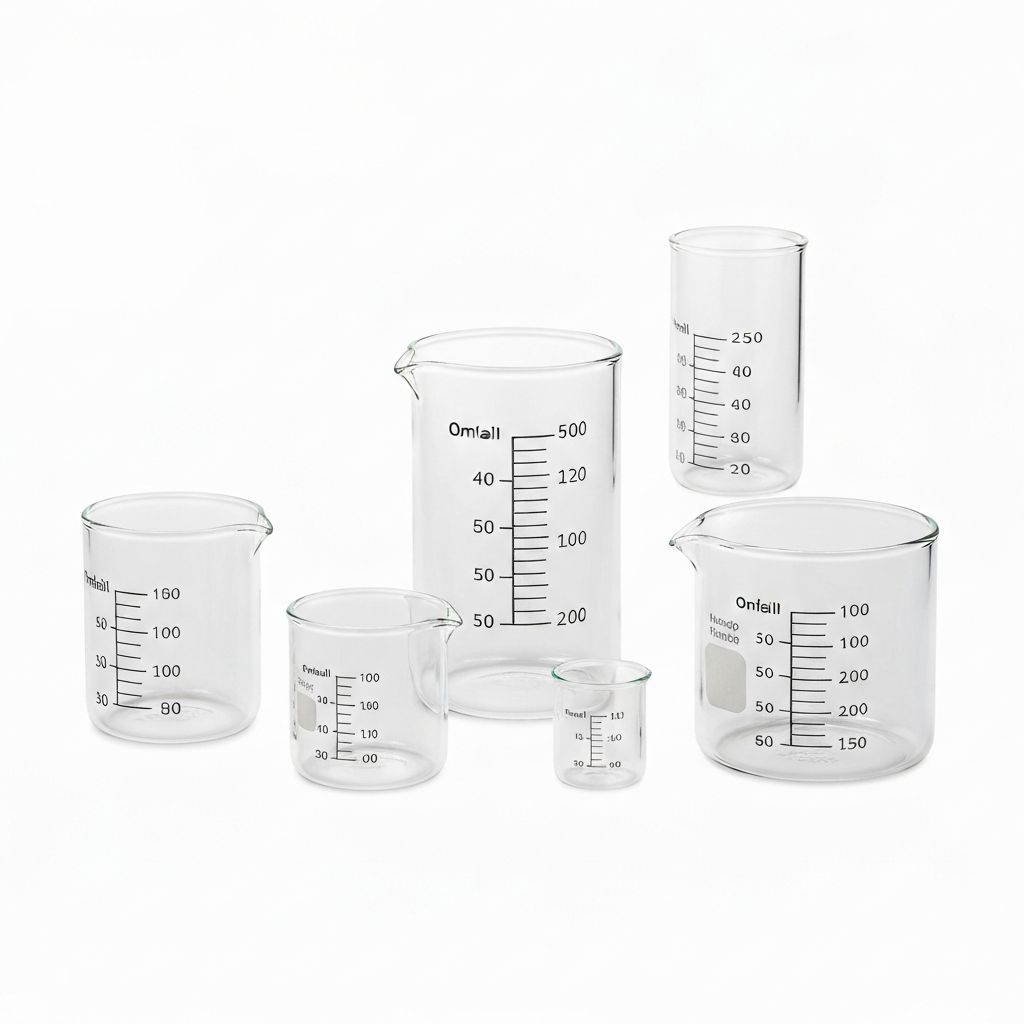
What high temperature glass means in a procurement context
High temperature glass is a broad buying term, not a single material specification. In commercial glassware, it usually refers to borosilicate glass formulated to resist thermal stress and repeated heating. The key distinction for buyers is between glass that merely tolerates hot liquids and glass engineered and tested for defined temperature differentials.
Borosilicate glass is made with boron trioxide, which lowers the coefficient of thermal expansion compared with ordinary soda-lime glass. A lower expansion coefficient reduces the stress that builds when one part of a vessel heats faster than another. That property is the basis of thermal shock resistance, and it is the first thing to verify when comparing suppliers.
For industrial glass buyers, the phrase can also cover other heat-resistant compositions. This guide focuses on borosilicate glassware for food service, laboratory, and hospitality use, because that is where most specification confusion occurs.
Core properties buyers should verify
Material type and expansion coefficient
Ask for the glass designation, not just the marketing phrase. Borosilicate 3.3 is a common reference point, but the number alone does not confirm a supplier's process control. Request the nominal coefficient of thermal expansion and the test method behind it. A stated value without a method is difficult to compare across suppliers.
Thermal shock resistance
Thermal shock resistance describes the temperature difference a glass article can survive without cracking. It depends on wall thickness, shape, and the rate of temperature change, not only on the material. A supplier that quotes a single temperature figure should explain the test conditions: starting temperature, ending temperature, transfer method, and sample geometry.
Maximum service temperature
Maximum service temperature and thermal shock resistance are different limits. One describes continuous exposure; the other describes a rapid change. Buyers should require both figures and confirm which one applies to their use case. For direct heating applications, the relevant standard and test method should be stated.
Clarity and visible defects
Crystal-clear borosilicate glass is often a buying requirement for tea, coffee, and laboratory measurement. Inspect for bubbles, striae, and visible stress patterns during sample review. These defects affect both appearance and, in some cases, strength.
Match the glassware format to the application
Different formats place different demands on the glass. A teapot with a removable infuser is judged on thermal cycling and handle strength. A measuring cup is judged on calibration accuracy and direct-heating safety. A single-wall cup is judged on clarity, rim finish, and resistance to repeated hot-liquid contact.
| Format | Typical buyer priority | Specification to confirm | Validation focus |
|---|---|---|---|
| Teapots and pitchers | Thermal cycling with infuser handling | Borosilicate 3.3, thermal shock resistance, capacity range | Repeated hot-water cycles, handle and spout integrity |
| Measuring cups | Calibration accuracy plus heat resistance | Graduated markings, direct-heating claim, capacity range | Marking legibility after washing, volume check |
| Single-wall cups | Clarity and everyday heat resistance | Borosilicate 3.3, stated heat resistance, rim finish | Hot-liquid cycling, rim and base inspection |
The table is a starting point, not a substitute for your own use-case testing. A buyer sourcing for hotel breakfast service has different failure consequences from a buyer sourcing for laboratory measurement.
Questions to ask before you approve a supplier
- What glass designation do you use, and can you provide the nominal expansion coefficient with the test method?
- How is thermal shock resistance measured, and what sample geometry and temperature differential were used?
- Which standards or test reports apply to direct heating, if that claim is made?
- How do you control wall thickness and annealing stress across a production run?
- Can you supply pre-production samples from the same line and material as mass production?
- What is your inspection plan for bubbles, striae, rim chips, and calibration markings?
- How are cartons and pallets configured to reduce breakage in transit?
Treat answers as evidence to be checked, not reassurance. A supplier who cannot describe the test method behind a thermal claim is a risk, even if the claim sounds impressive.
Sample and order validation that actually reduces risk
Sample approval should test the failure mode you care about. For high temperature glass, that usually means controlled thermal cycling rather than a single pour of hot water. Define the cycle: starting temperature, hot temperature, cooling method, and number of repetitions. Record cracks, chips, and haze.
For measuring cups, add a volume verification step at several graduations and check marking durability after repeated washing. For teapots and pitchers, test the infuser removal and reinsertion under hot conditions, because that is where handling stress concentrates.
Keep pre-production and mass-production samples separate in your records. A common procurement error is approving a hand-finished sample and receiving a different production finish. Ask for the inspection criteria in writing and compare incoming lots against them.
Warning signs in supplier documentation
- Thermal shock claims with no test method, sample geometry, or temperature differential.
- Material described only as "high borosilicate" without a designation or expansion figure.
- Direct-heating claims that do not name the applicable standard or test condition.
- Calibration claims for measuring cups without a stated tolerance.
- Inability to trace a sample back to the production line and material lot.
- Inspection reports that list only cosmetic criteria and omit stress or dimensional checks.
These gaps do not prove a product is unsuitable. They do mean the buyer cannot verify the claim, which shifts risk to your operation.
Decision rule for shortlisting
Shortlist suppliers that can document material designation, expansion coefficient, thermal shock test conditions, and a production-linked sample process. Deprioritize suppliers whose heat claims cannot be separated from marketing language. If your application involves direct heating or repeated thermal cycling, require the relevant test evidence before placing a volume order.
For buyers comparing formats, start with the application's failure consequence. A cracked teapot in a hotel is a service interruption; a miscalibrated measuring cup in a laboratory is a data integrity problem. The specification depth should match that consequence.